
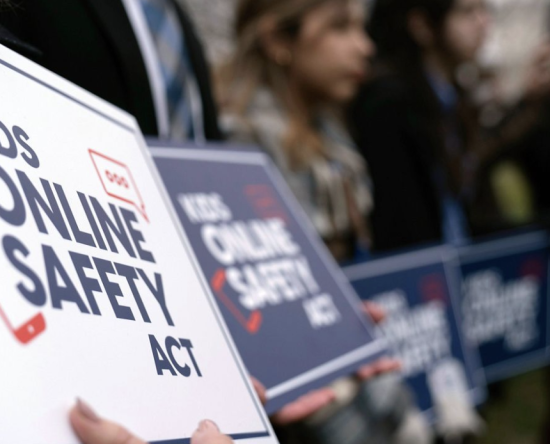
The Kids Online Safety Act: Age Verification, Platform Design, and the Future of Youth Autonomy
For years, American lawmakers have promised to “do something” about the harms young people face online. The Kids Online Safety Act (KOSA) is a proposed answer: a federal bill that would impose a new legal “duty of care” on covered online services, including social media platforms, messaging applications, online video games, and streaming services used […]

The Great Regulation Race: Sportsbooks and the U.S. Government
Two racers are set on their marks. The winner will cement themselves as the dominant force in the world of in-person and online sports gambling. Standing on one side are the federal and state governments of the United States, who look to maximize the taxes and minimize the consumer risks of the activity. Standing opposed […]
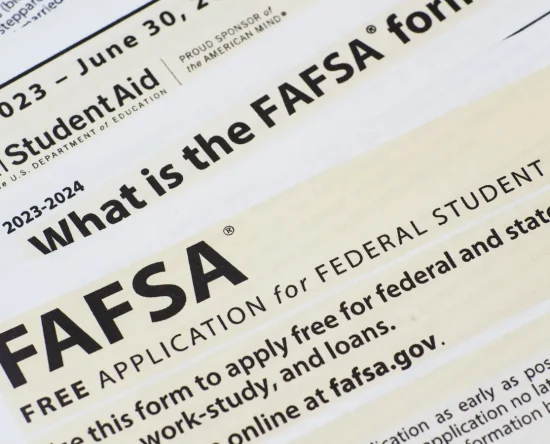
FAFSA: Low-earnings indicator and its implications on the future of society
With rising costs of higher education, attending college is increasingly viewed as an investment in one’s future. Since 1963, the average annual cost of public college tuition has risen 312.4% when adjusted for inflation. Public colleges are those that rely on funding from state and federal governments. In the United States of America, 72.6% of […]
The “President of Peace?”
The United States’ National Security Strategy document, released in December 2025, dubbed President Donald Trump “The President of Peace.” This title recognized his role in securing harmony across eight conflicts during his second term in office, as well as normalizing relations between Israel and a number of Arab nations during his first term in the […]
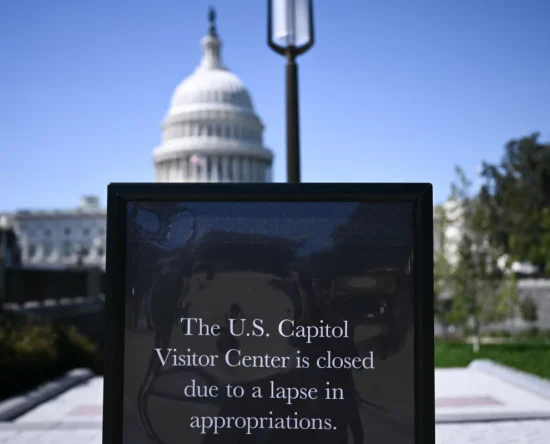
The Breakdown of Public Reason and its role in the 2025 Government Shutdown
While many question the logic and onset of the 2025 government shutdown, philosopher John Rawls would view it as predictable, far from an anomaly, a direct consequence of the breakdown in political trust and long-term erosion of public reason. It was not accidental. As Rawls posits in his conceptualization of public reason for liberal democracies, […]

Increased Youth Participation is the Most Effective Way to Challenge Project 2025
Young Americans are turning out to vote in unprecedented numbers, driven by an urgent need to defend the democratic ideals to which this nation was founded. Since President Donald Trump began his second term in 2025, his administration has pursued radical conservative policies championed by the Heritage Foundation in Project 2025. In targeting issues like […]
The Cost of Justice
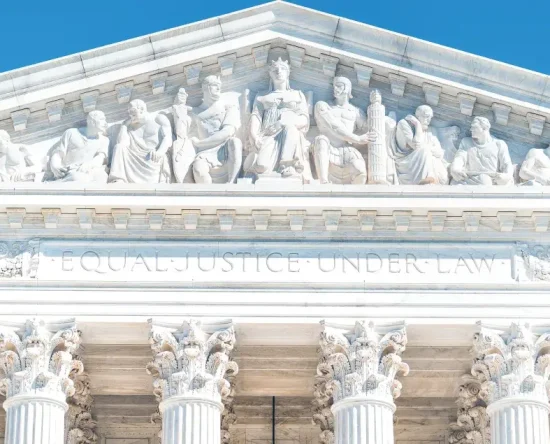
The promise of equal justice under law, rooted in the Constitution and reflected in the Fourteenth Amendment’s guarantee of equal protection, is a foundational principle in the United States — but access to that justice remains deeply unequal. Even though legal rights are formally granted, their enforcement depends on factors such as access to professional […]
When the Law Forgets Its Past: How America’s Legal System Still Ignores the Legacy of Slavery and Jim Crow
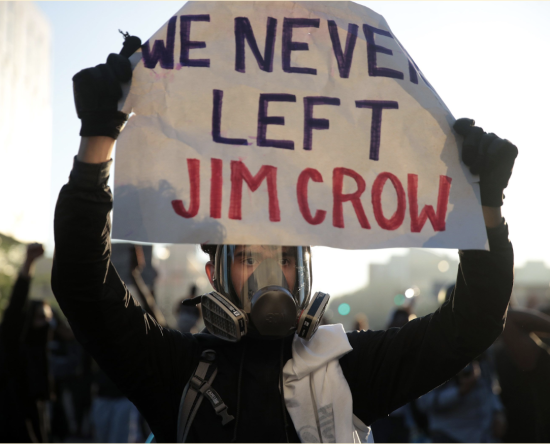
American law is often presented as neutral, objective, and detached from history. Courts regularly insist that past injustice has little relevance to present-day doctrine, framing racism as a problem that existed once but has since been corrected. Yet, many of the legal rules that govern policing, punishment, and participation in the justice system today were […]
The Illusion of Authenticity: Trump’s Era of Offensive Language in Politics
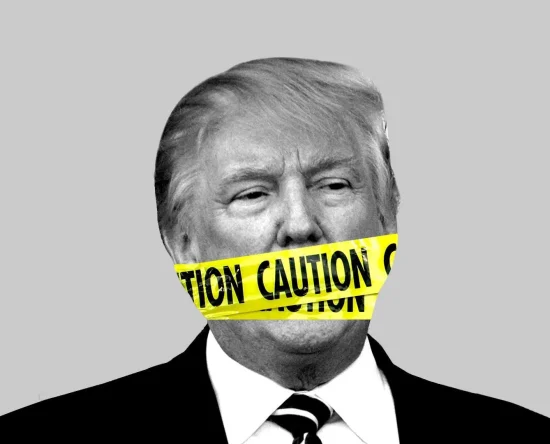
Long before he entered politics, Donald Trump made “You’re fired!” a national catchphrase on The Apprentice. That brash, unfiltered persona didn’t simply stay on the TV show; it became central to his political campaign and presidency. From mocking journalist Catherine Lucey with “quiet, Piggy” to berating his opponents with racial or sexist insults, President Trump’s […]
Critical Infrastructure Cybersecurity Beyond Voluntarism
Critical infrastructure refers to assets, systems, and networks essential for maintaining everyday life, including electrical grids, communication networks, water treatment facilities, healthcare systems, and transportation networks. These systems remain dangerously unprotected in the United States because of a fragmented regulatory landscape. When adversaries can damage, disable, or steal sensitive information from these decentralized systems, they […]