Young Americans are turning out to vote in unprecedented numbers, driven by an urgent need to defend the democratic ideals to which this nation was founded. Since President Donald Trump began his second term in 2025, his administration has pursued radical conservative policies championed by the Heritage Foundation in Project 2025.
In targeting issues like immigration and social equality, Project 2025 leads reckless reforms at the expense of citizens’ rights. Motivated by the threat of these radical changes, increased youth participation has emerged as one of the most effective means of challenging the Project 2025 agenda. Sustaining these levels of engagement will be essential to protecting the stability of our democracy.
Where Young Voters are Recognizing Their Responsibility
Despite historically low youth participation in the United States, the results of more recent election cycles suggest a positive change amongst the young electorate. Specifically, recent democratic victories fueled by young voters offer a newfound sense of optimism in the type of political influence young people will have in critical elections moving forward.
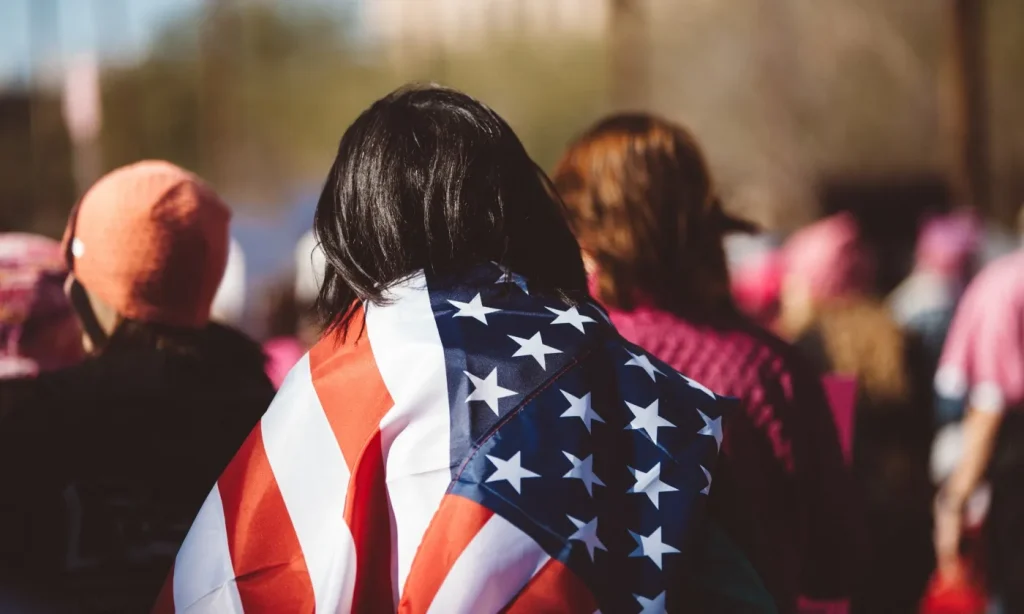
Today, college-aged voters are a central driving force in national Get Out The Vote (GOTV) campaigns that motivate increased civic participation among their peers. Similarly, education programs led by students such as New Voters are at the helm a greater movement putting young people at the precipice of the voting population.
As democratic candidates seek to inspire a revitalized “Blue Wave” in American politics, their victories can be attributed to a rise in youth participation. While states like New York saw only 8% of voters between the ages of 18-34 cast their ballots in 2013, those figures have since grown to 20% and now 30% in the 2021 and 2025 election cycles. This increase indicates the success of a large movement to mobilize young voters across the country.
The increase in youth participation that we observe today reflects a direct opposition to the hostile policies outlined by Project 2025. Youth polls continue to demonstrate young voters’ strong stance on issues of reproductive justice, DEI, and sustainability policies, which are all under direct attack by Project 2025’s agenda.
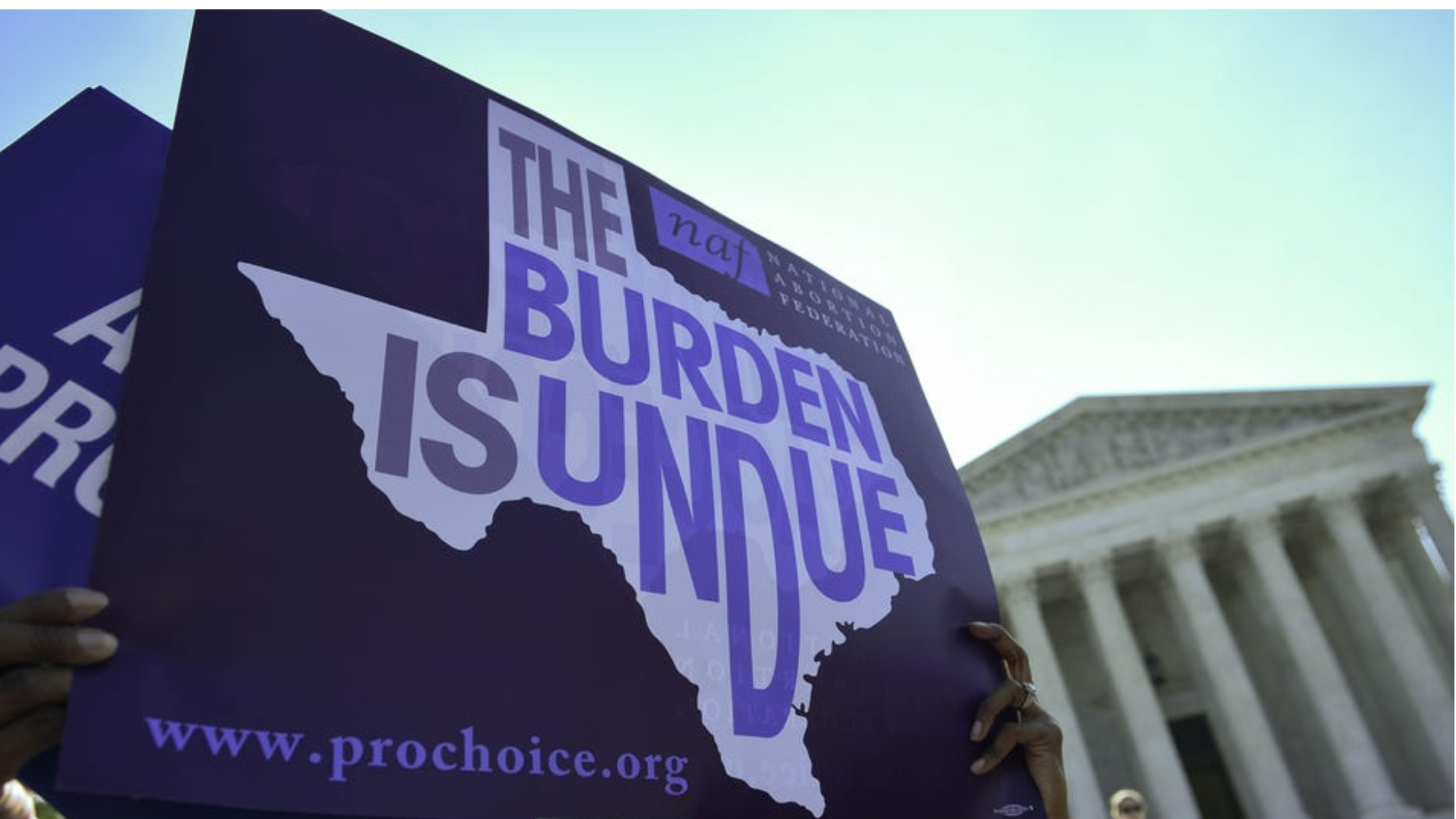
As a result, young voters feel a responsibility to use their voting power as a means of motivating change in their government. For example, as the Mandate for Leadership seeks to “ban the process of prescribing abortion drugs via Telehealth” young voters have led momentous efforts to protest these policies while providing practical assistance to women adversely affected by these restrictions. Together, these efforts reveal the broader willingness of young voters to become more involved in the civic process as a means of challenging and offsetting the impact of Project 2025.
Where Youth Organizers Hold a Particular Advantage
Today, young people are in the particular position to lead the fight against Project 2025 giving their unprecedented access to information and growing ability to mobilize in the online space. Digital connectivity has fundamentally transformed the landscape of civic engagement. By broadening political discourse and increasing access to information, today’s youth have the ability to become the most well-informed and easily-connected civic community in American history. Through organized collective action, young Americans have the ability to become the most capable generation in modern history to challenge such threats to democracy. They must continue to recognize this power and use it as an effective means of resisting the policies of Project 2025.
Where Young People Lead, Democracy Will Thrive
American history serves as a testament to the resilience of this country’s people, especially in the face of Project 2025. Still, it requires a heightened level of civic awareness, participation, and a renewed belief in the vision for America set forth by our Founding Fathers. To this, it becomes critical that the young voters recognize their particular responsibility to respond to the threats that Project 2025 proposes.
Where youth movements thrive, there can be found hope for positive change and evidence of the genius built into our democratic system. The future of American government is as bright as the people who realize their political power. As a new generation of political agents enters the electorate, the exciting prospect of a renewed era of strengthened political participation offers optimism. Power in the United States will forever belong to the People—not Project 2025.