With rising costs of higher education, attending college is increasingly viewed as an investment in one’s future. Since 1963, the average annual cost of public college tuition has risen 312.4% when adjusted for inflation. Public colleges are those that rely on funding from state and federal governments. In the United States of America, 72.6% of undergraduates attend public colleges. Given the increasing financial burden, the Department of Education has decided to launch a low-earnings indicator to empower students and their families to make data-driven decisions regarding their choice of post-secondary education. However, this addition doesn’t provide the judgment-free support it claims to.
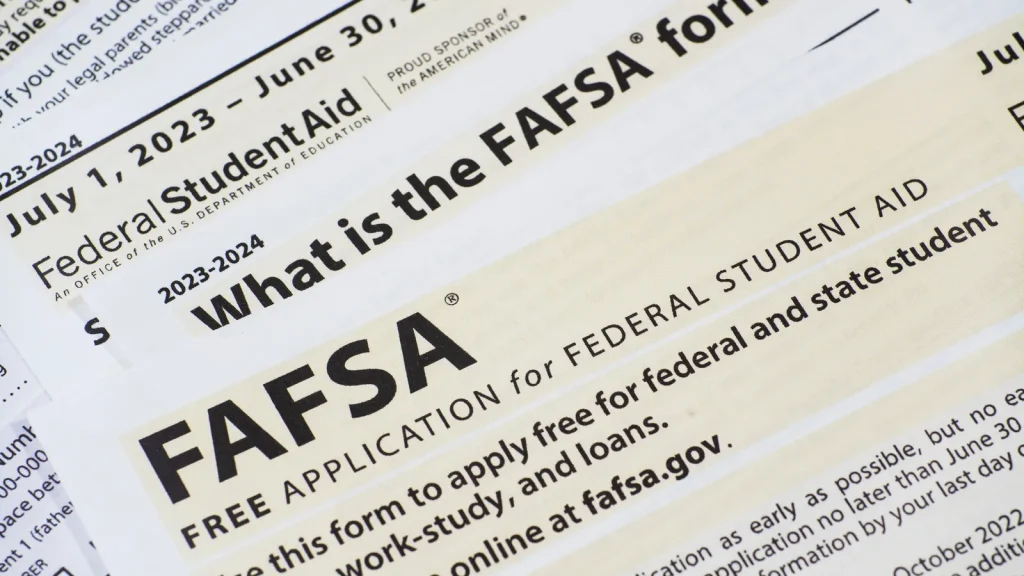
On December 8th, 2025, the Department of Education published a press release announcing major changes to the way FAFSA, the Free Application for Federal Student Aid, will operate going forward. This announcement explained that if graduates of an institution make less on average than the average income of a high school graduate, that institution will be flagged as low-earning. The Department of Education has partnered with College Scorecard, an online tool established by the Obama administration in 2015 to procure the data required to label an institution as low-earning. College Scorecard compiles and compares statistical information on different colleges for students to review during the admissions process.
The low-income indicator is framed as a method of preventing students from taking on tuition-related debt without a clear path to earning it back through future wages. The press release insists that the addition of this indicator is intended to inform student choices without limiting their options. As of now, this income predictor is merely a suggestion, warning college applicants that their investment may have low returns. The development of the low-income indicator is being framed as a positive addition, focusing on transparency and supporting students.
However, this earnings indicator is simply phase one of a larger, more nuanced plan formulated by the Trump administration. On July 4th, 2025, the administration signed their Big Beautiful Bill, a major, comprehensive legislative act spanning over 800 pages, into law. Its main goal is to reduce federal spending, including higher taxes and cuts to funding for Medicaid and educational programs. As a part of the bill, the Higher Education Act of 1965 was amended to further narrow funding eligibility for federal aid. Meaning, as of July 1, 2026, any institution classified as low earning, will be unable to provide loans to students to attend.
Many of the schools affected by this development target low-income individuals, such as cosmetology schools, arts institutes, community colleges, and vocational trade schools, which offer lower costs and shorter training times. For example, 54% of students attending cosmetology schools are classified as low-income, per their eligibility for Pell Grants, which provide need-based federal funding for education. The low-earnings indicator will ultimately prevent low-income individuals from accessing higher education and thereby, limiting educational options for all American citizens.
As inflation rises and wages stagnate, the percentage of college-applicants considered to be from low-income families has risen. A study conducted by the American Council on Education in 2019, sampling 2016 data from approximately 1,800 universities across the United States, found that the percentage of students who were low-income was 43.1%, up from 26.7% in 2000. The same study found that students of color were more likely to be low-income with over 50% of Black, Hispanic, and Native American students being classified as low-income, compared to only 33.6% of white applicants. This study illuminated the fact that the amount of students who rely on federal funding is rising, and that the restrictions on access to funding will disproportionately affect students of color. Additionally, 50.8% of all low-income students in 2016 were enrolled in public 2-year institutions, also referred to as community colleges. These institutions are highly affected by the low-earnings indicator, as graduates of these institutions often make less than the average high school graduate, according to the data provided by the Department of Education. These data trends illuminate the fact that the low-earnings indicator will predominantly affect people of color.
This new development has worrying implications for the future of accessible higher education, particularly for institutions that predominantly have students with majors that do not lead to large salaries, such as performing arts, anthropology, social services, and other liberal arts majors. Schools with predominantly liberal arts students may have average graduate salaries less than the average salaries of high-school students in the same region. However, these liberal arts studies are just as critical to societal development as higher-earning majors, such as accounting and finance.
Although the Department of Education claims that this development is in the name of transparency and increased choice for students, the lack of direct communication tells a different story. The Big Beautiful Bill, which laid out the changes to FAFSA, came into effect on July 4, 2025. However, the Department of Education did not release a statement regarding the changes until December 8, 2025. In doing so, they failed to mention that the low-earnings indicator will eventually place restrictions on which schools can receive federal funding to provide loans to students in need. This lack of reliable information on critical issues has been an increasing trend within the Trump administration. Information is purposely withheld or presented in confusing manners to prevent citizens from making informed decisions and protecting their futures.
The addition of restrictions to federal loan availability will directly translate to students who rely on loans to attend post-secondary education having a limited choice on which schools they can apply to. The new amendment to the Higher Education Act of 1965 will disproportionately impact low-income, marginalized communities in the U.S. The delayed and incomplete notification from the Department of Education will exacerbate this impact by not allowing students enough time to reexamine their college plans and financial situations. This development will only exacerbate inequalities among American citizens and further the inaccessibility of higher education.