

Censorship and Self-Censorship: China and the NBA
Illustration by Ellie Strayer “Tank Man”—the photo of a man defiantly standing in front of four advancing tanks during the Tiananmen Square massacre 30 years ago—is one of the most iconic photographs of the twentieth century. Search for it in the United States and Google returns millions of hits. Search for it on the Chinese […]
(Back)stop it: The Role of the Irish Border Problem in Brexit
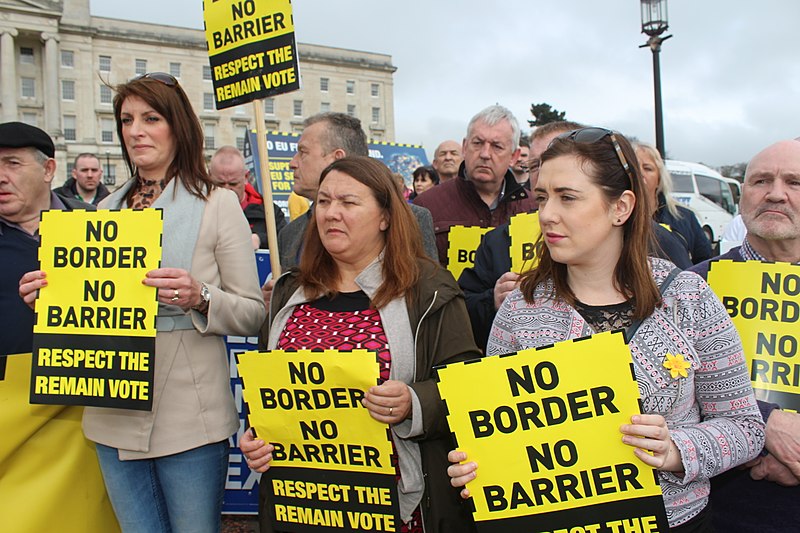
During the 2016 Brexit referendum, Northern Ireland voted to remain in the European Union (EU) with 56 percent of the vote, but the United Kingdom (UK) as a whole voted to leave, with 52 percent of the vote. While the Irish border problem was not a talking point in the initial Brexit debate, it quickly […]
Re-Examining Japan’s North Korea Strategy—What Can Be Done?
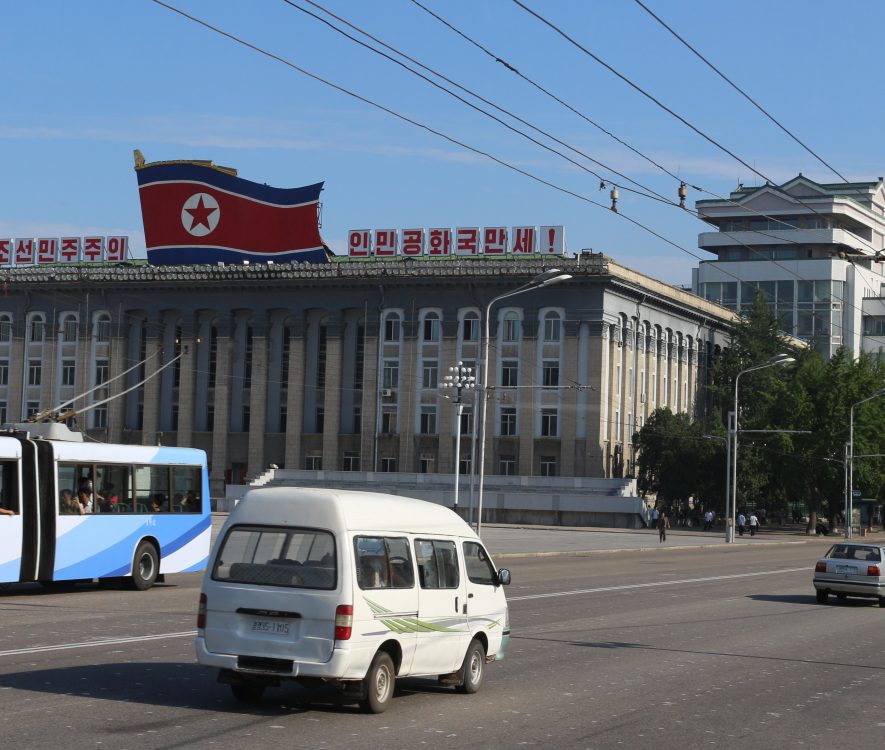
On October 3, North Korea launched a missile into the Sea of Japan. It was the eleventh missile test this year, and the first one launched from a submarine. Japan claimed that the missile landed in its exclusive economic zone—an area two hundred nautical miles around the island. In response, Japan’s Self Defense Force (SDF) […]
Hong Kong Attempts to Criminalize the Basic Right to Protest
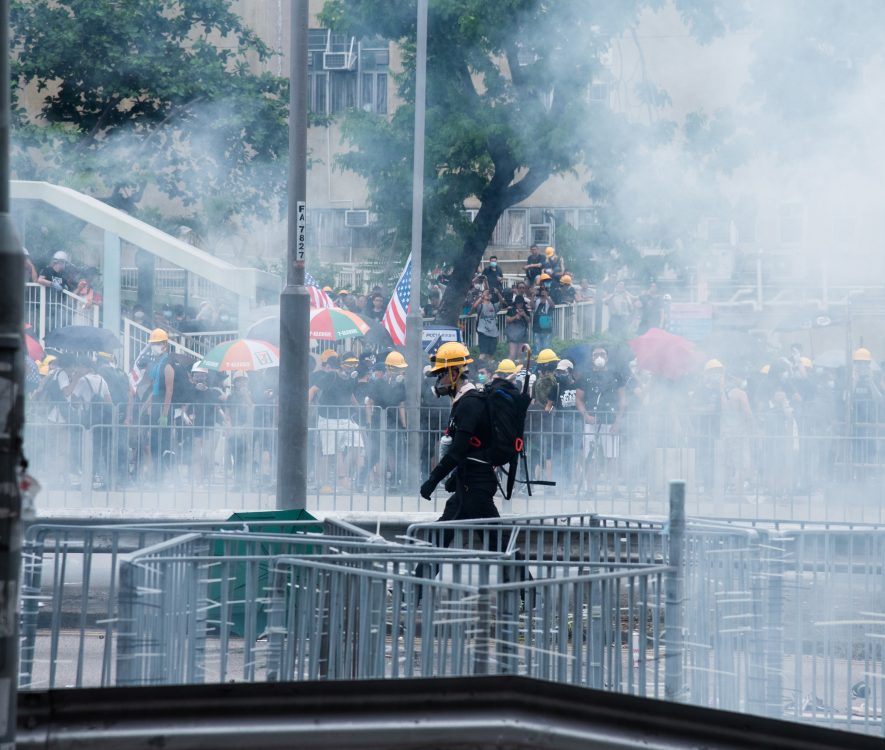
Photo courtesy of Aidan Marzo June 1989 marked a flashpoint for Hong Kong activism, when one million Cantonese people protested the massacre of pro-democracy demonstrators in Beijing’s Tiananmen Square. Many Hong Kongers continue to observe June 4th to remember those who died in the crackdown. Martin Lee is one such observer. Lee is the founding […]
Into the Reiwa Era — Japan’s Unique Position in the World
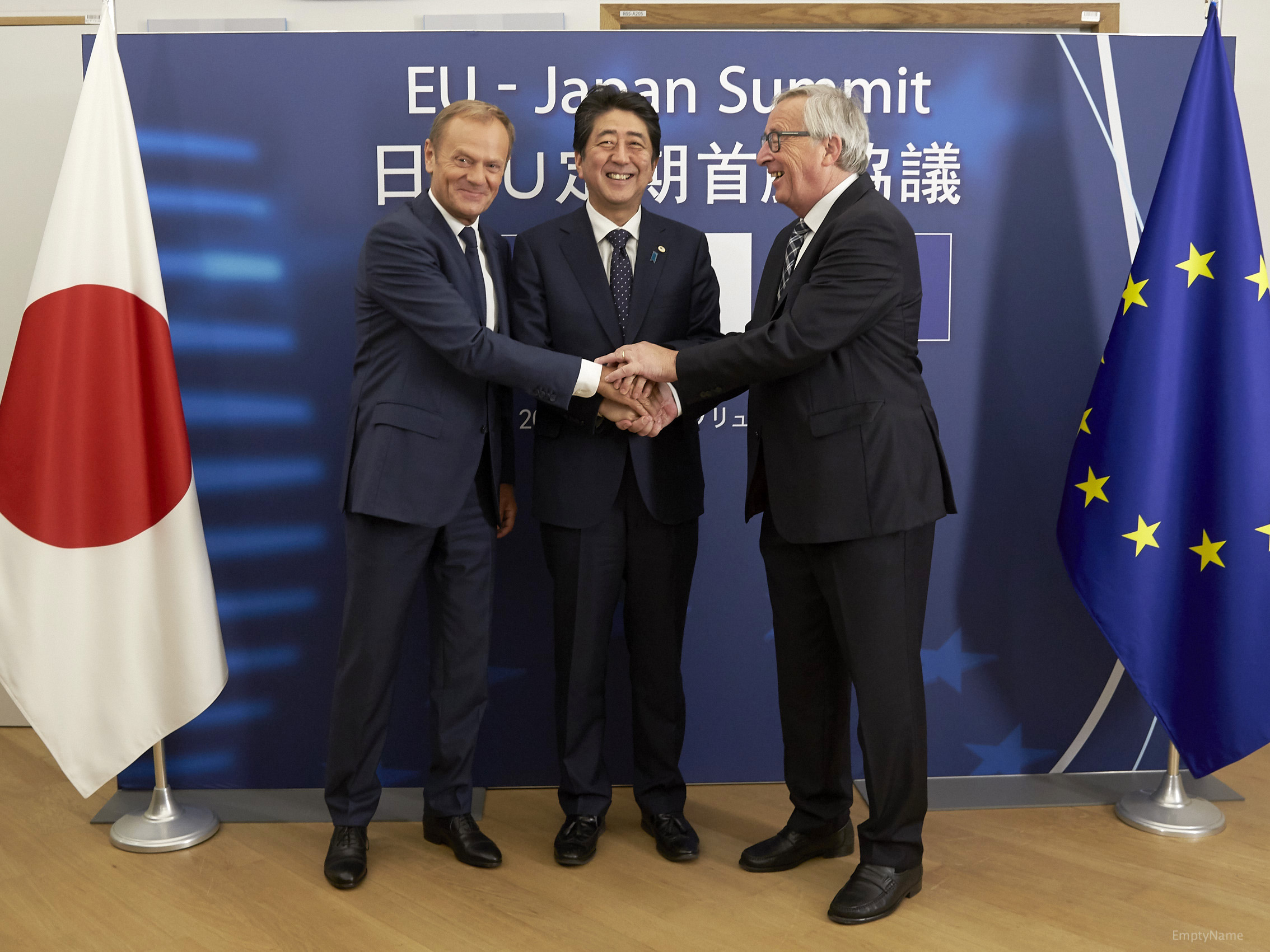
Japan can pursue a smart diplomatic strategy that would make the most of the current dilemma and cement its status as an international leader in the new Reiwa era.
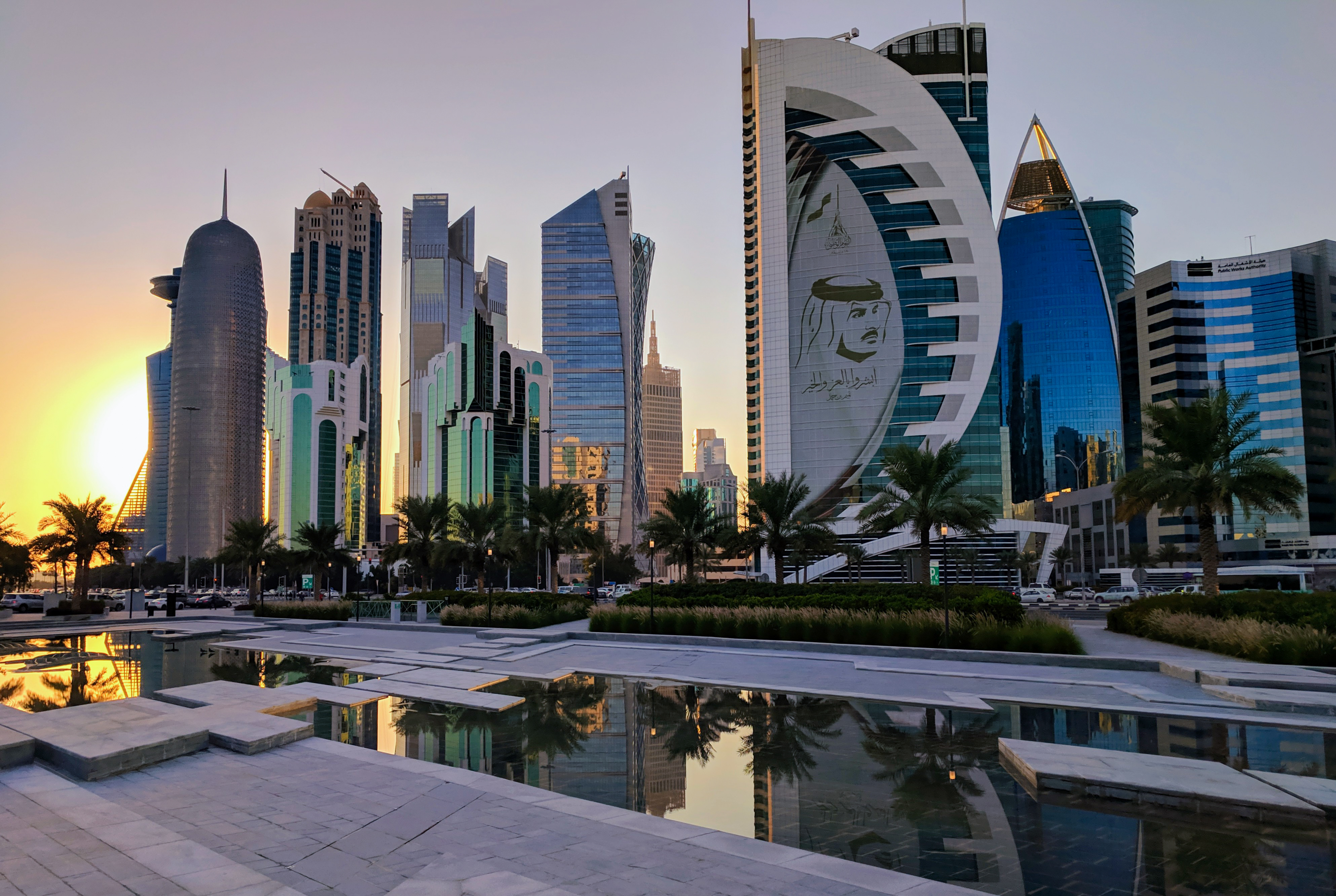
The Qatar-Gulf Crisis in Context
Akshat recently traveled to Doha as a member of the Qatar Exchange Fellowship, sponsored by the National Council on U.S.-Arab Relations and the Northeastern University International Relations Council. The content of this article is largely sourced from conversations with officials from the U.S. Departments of State and Defense, Qatar’s Foreign Affairs and Defence Ministries, Al […]
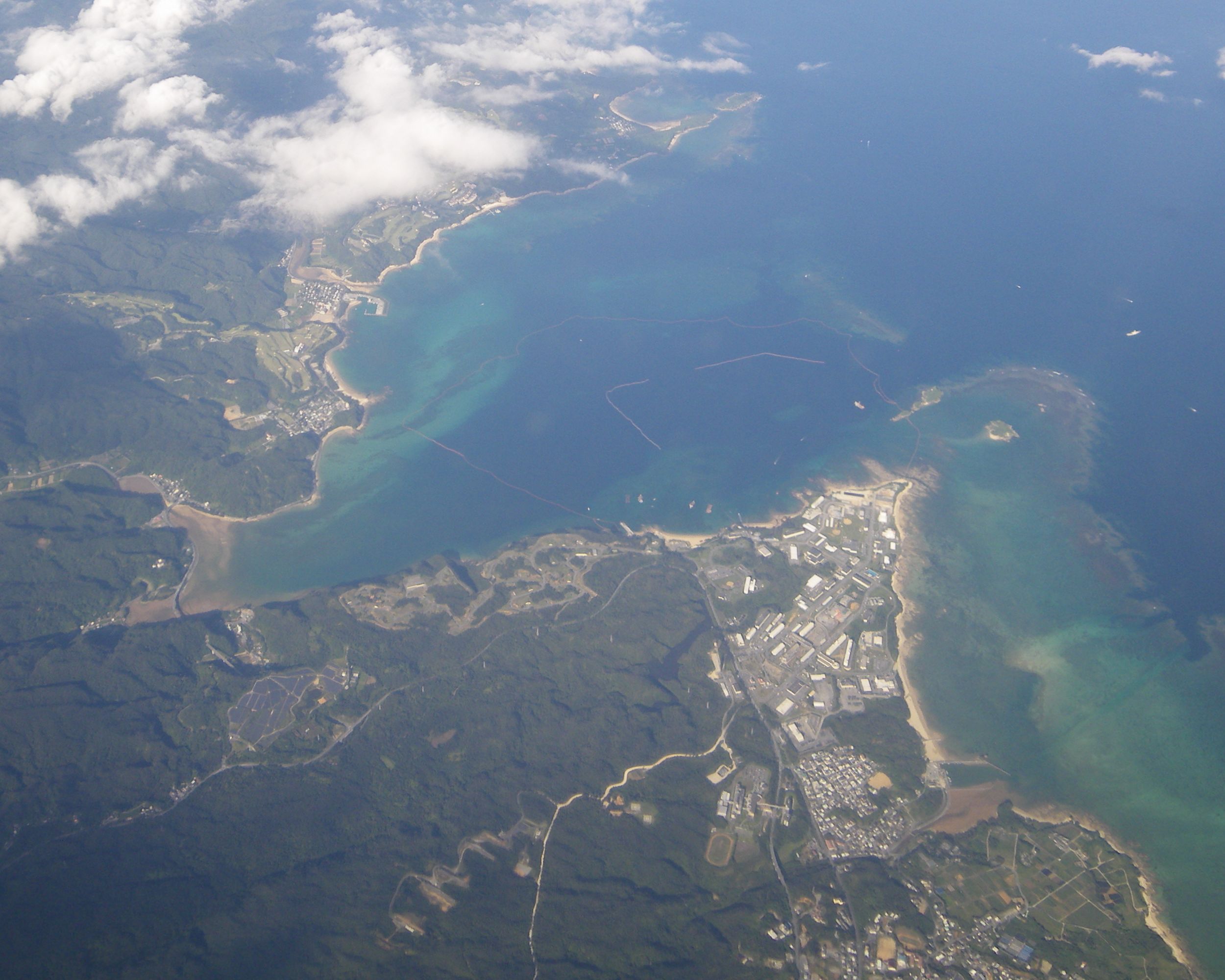
Ending the Okinawa Conflict: A Challenge for Democracy
What happened on February 24th should not be regarded as just another day in Japanese politics. It was the day 70% of Okinawans voted to oppose plans to relocate the Futenma Air Station to Henoko, a remote location in the prefecture with endangered coral reefs.[1] As the central government plans to move forward with the […]
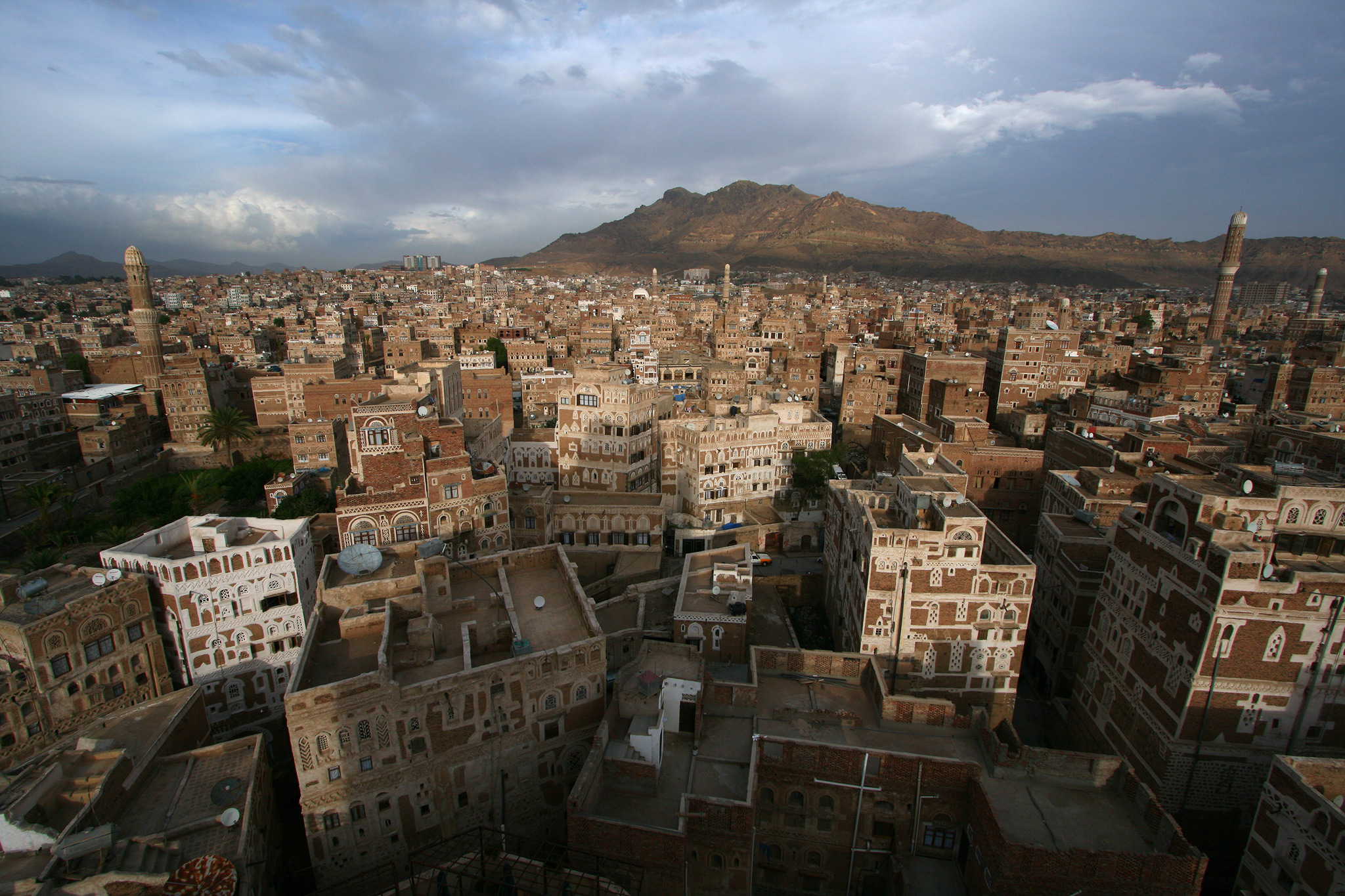
The Battle of Hodeidah and the World’s Worst Humanitarian Crisis
The prominent theme of the Yemeni Civil War has unfortunately been extreme famine. It is another example of a poor, vulnerable population caught in the middle of a deadly clash. In fact, Yemen is the poorest country in the Middle East, with a per capita GDP of just $1,300, according to 2017 estimates. Syria’s GDP […]
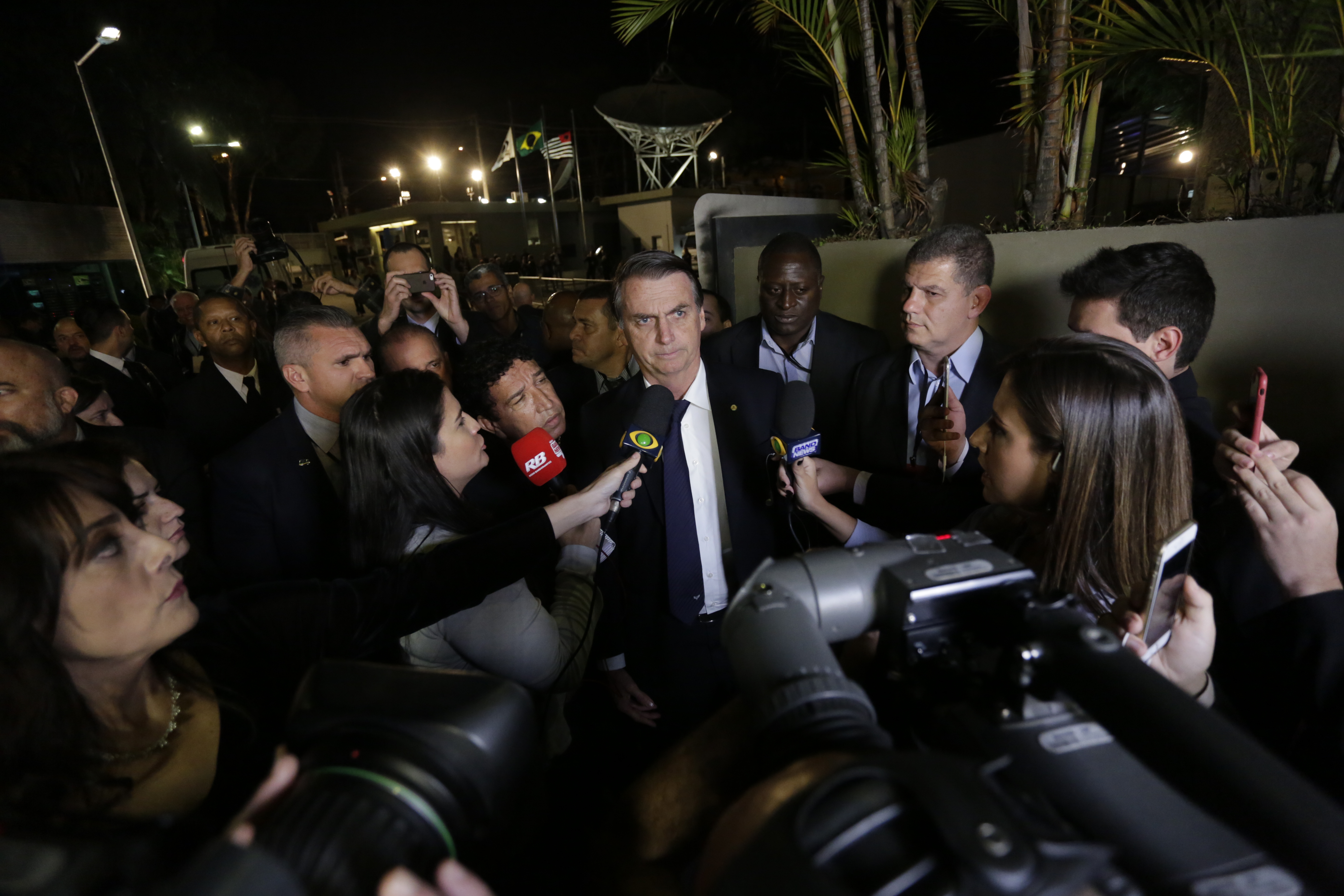
Fascism’s Mainstream Resurgence in Brazil
On October 28th, far-right former military captain Jair Bolsonaro was elected president of Brazil by 55%, defeating Fernando Haddad of the left-leaning Workers’ Party and cementing a win for the country’s far-right movement.[1] Over the last few decades, Brazil’s political institutions have faced constant turmoil. In 1985, the country saw a glimmer of hope when […]
Challenges to Democracy: Rewriting Japan’s Article 9
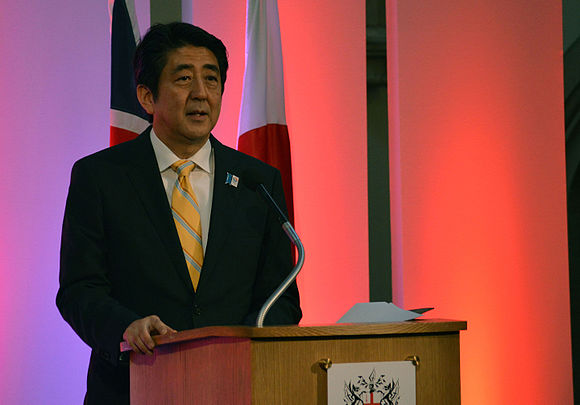
In the recent in-party election held on September 20th, Prime Minister Shinzo Abe secured a historic third term as the Prime Minister of Japan, defeating former Defense Minister Shigeru Ishiba by an overwhelming margin.[1] Guaranteed executive control of the central government for the next three years, Abe has begun to set his political agenda for […]