
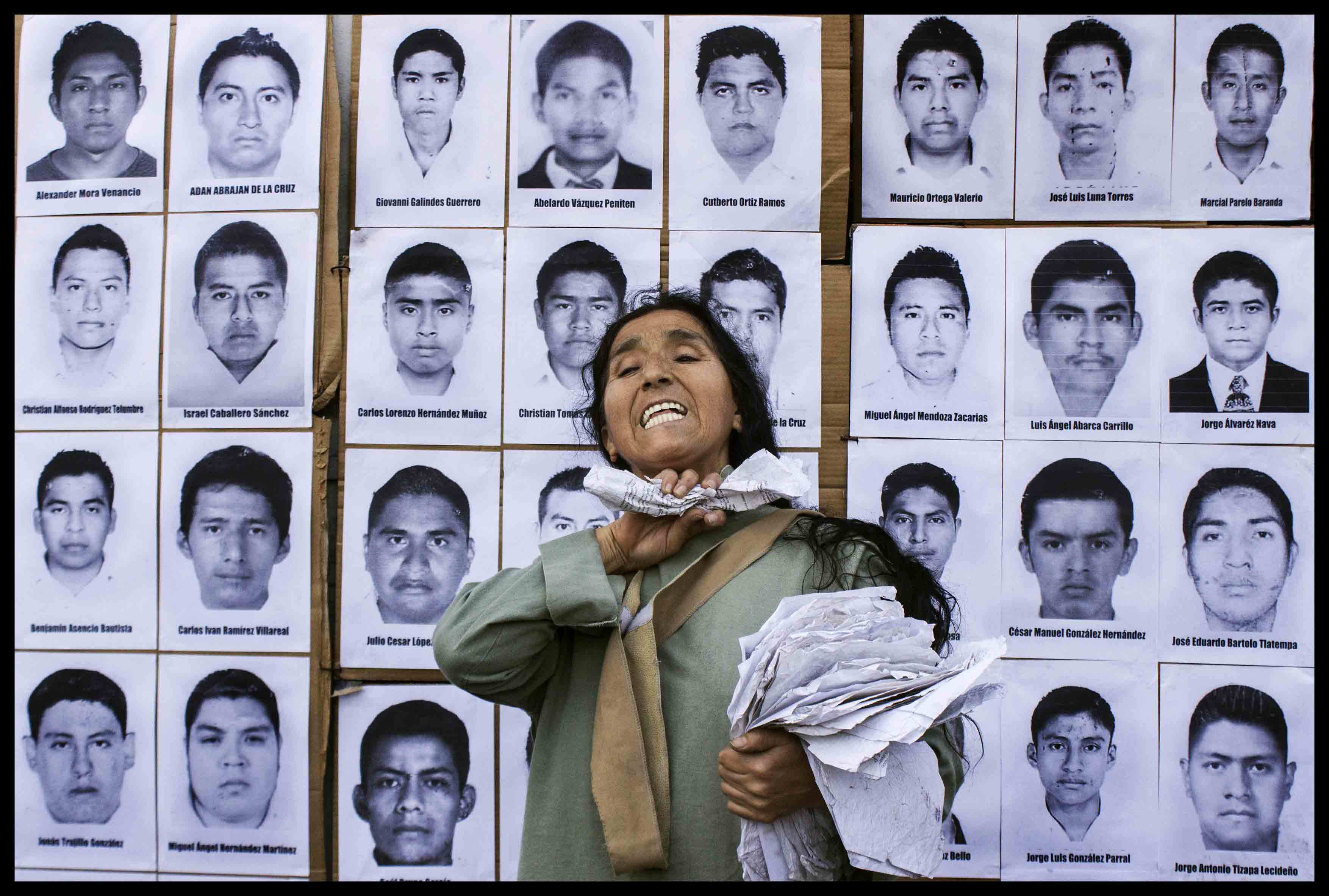
Ayotzinapa: Mexico´s Pandora´s Box
During this past year, Mexico experienced one of the worst crimes in recent memory — the kidnap and murder of almost 50 students. The magnitude of this atrocity has not been seen in the country since the Tlatelolco Massacre, which occurred on October 2, 1968. Over 500 students were wounded and killed by the police, […]
Carbon-Credit Strategies: REDD+ and an Analysis of Mexico’s Legal Framework
Under the United Nations Framework Convention on Climate Change (UNFCCC), parties of the UN are working towards the ultimate objective of stabilizing greenhouse gas concentrations in the atmosphere at a level that will prevent dangerous human interference with the climate system. Negotiations take place at annual Conference of Parties (COP) meetings, and the COP — […]
Sheikhing Things Up: An Economic Approach to US-Saudi Diplomacy
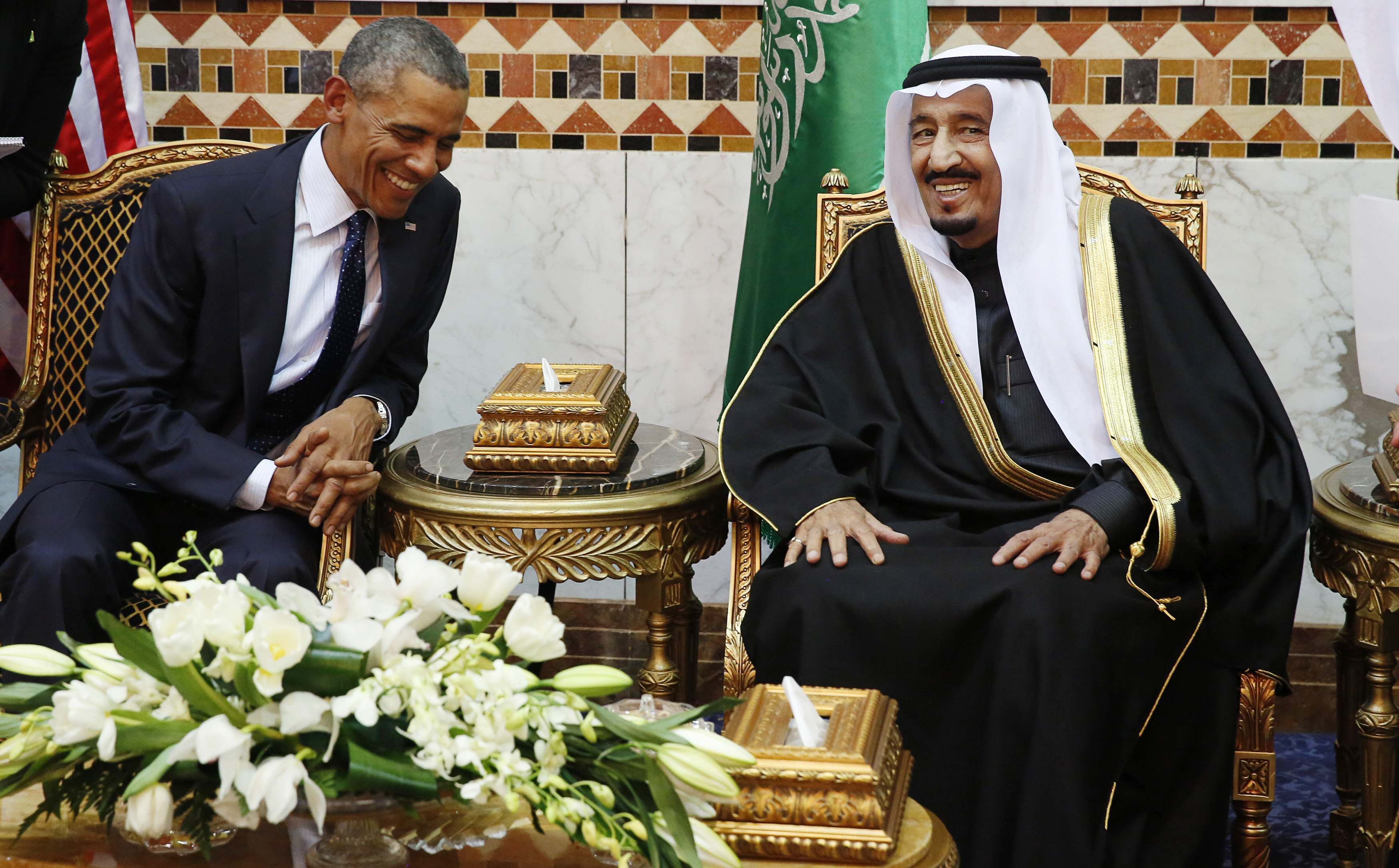
Discussions of the Middle East are often synonymous with two topics: the commodity of oil and US involvement in the region. The United States and Saudi Arabia, two ostensible allies, face a conflict of interests as the US continues to engage in nuclear negotiations with Iran and Saudi Arabia deploys air assaults on the Iranian-backed […]

With Nationalism Comes Responsibility
Alexander Carlin is a participant in the Qatar Fellowship sponsored by the National Council on US Arab Relations, and recently completed a study visit to Qatar in conjunction with their US Embassy, in order to meet civil society leaders and members of the Qatari government. From King Louis XIV of France’s bid to solidify power, […]

Colombia-FARC Peace Process
The Fuerzas Armadas Revolucionarias de Colombia, better known as the FARC, began as a resistance movement among impoverished farmers in rural Colombia during the 1920’s and 1930’s. The movement started peacefully as a way to protest a lack of government intervention in peasant hardships, but when the government failed to intervene. The FARC became more […]
Seasons of the Arab Spring: A Review
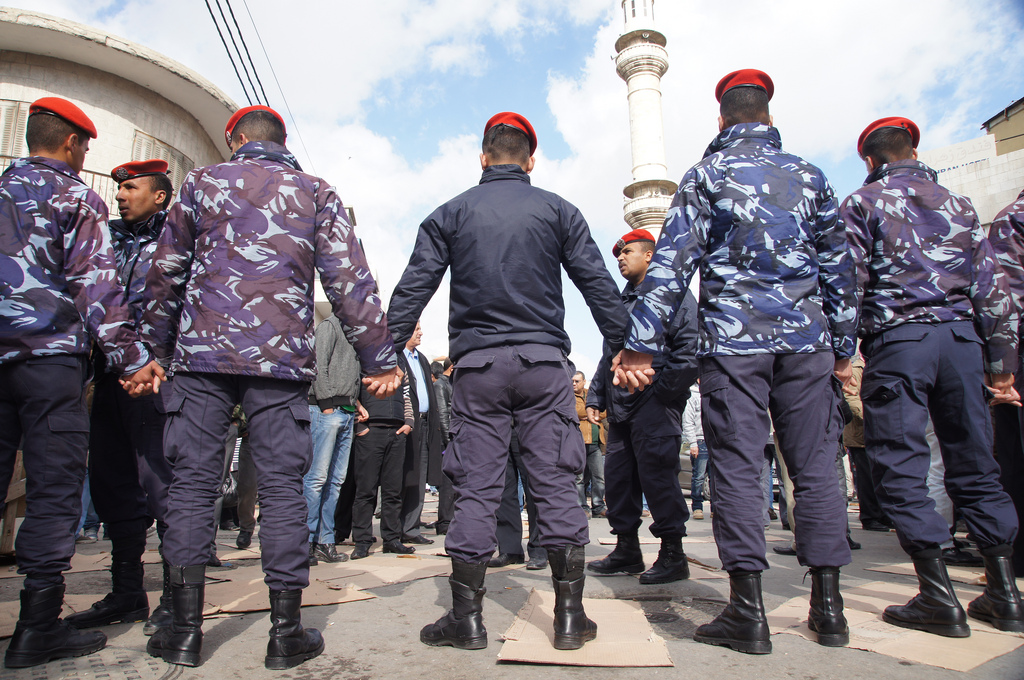
On Thursday, January 22, the International Affairs Department hosted a panel discussion, “Seasons of the Arab Spring.” Contributors included Northeastern professors, Denis Sullivan, Valentine Moghadam, and Berna Turam. Visiting scholars Dr. Emily Curry and Shamiran Mako also participated in the panel. The discussion focused on five countries and their involvement in the Arab Spring: Egypt, […]
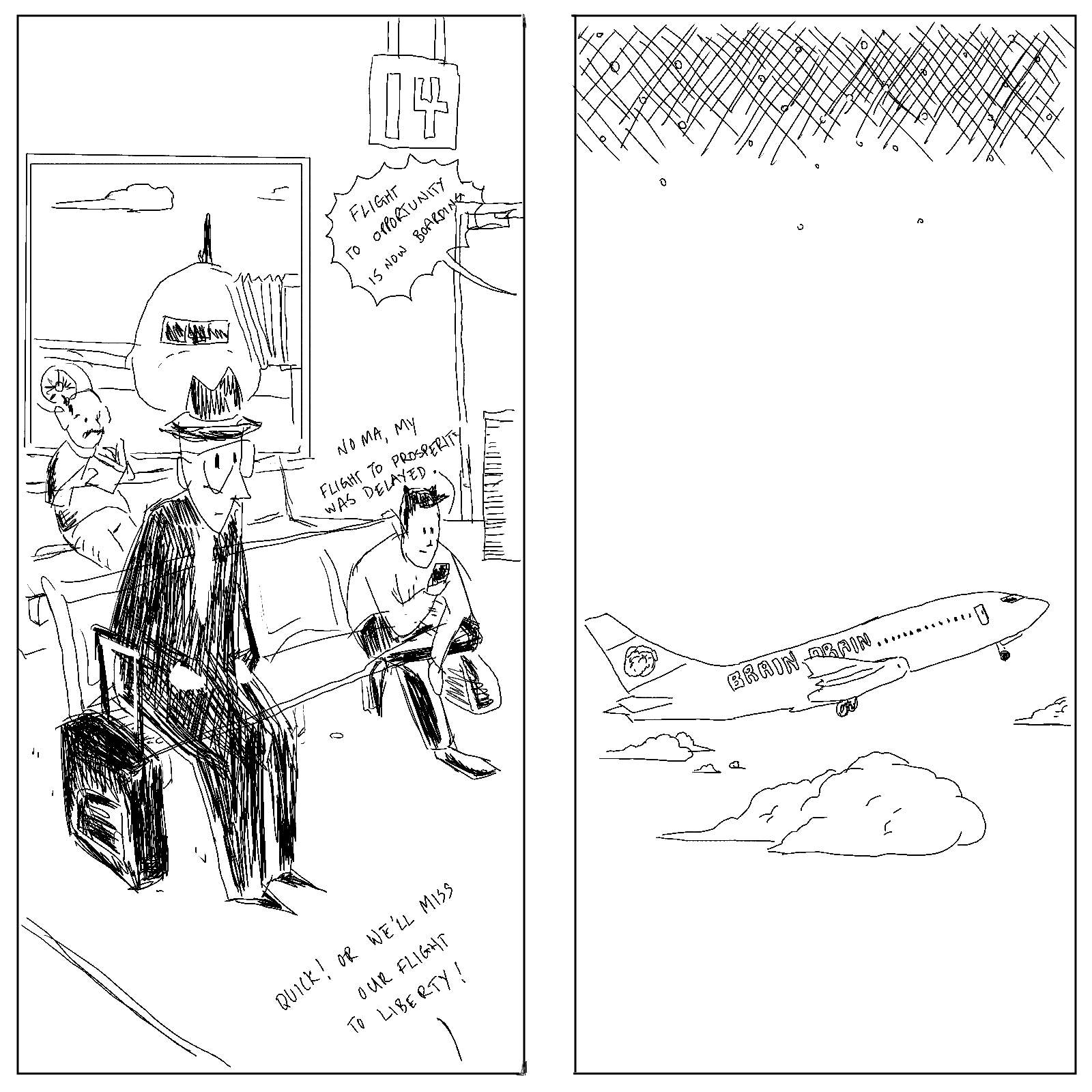
Bosnia Through Illustration: Politics, the Economy and Education
[slideshow_deploy id=’3256′]

Scotland’s Vote Against Independence Will Still Bring Massive Change to the U.K
The month leading up to the Scottish referendum was fraught with anxiety for those who wished to keep the United Kingdom whole. Fear over the campaign for independence succeeding in its goal, is likely the reason that, two days before the referendum, the leaders of the three biggest political parties in England signed a vow […]

One Protest, Two Perspectives
One-nation, two-systems: the political reintegration of Hong Kong into China after a century of being a British colony has recently proved problematic, as the people of Hong Kong have taken to the streets to demand further democratic development. The 1997 Agreement placed the former British colony in a semi-autonomous position, where basic civil and political […]
The Japan Conference, Revisionist History, and East Asian Politics
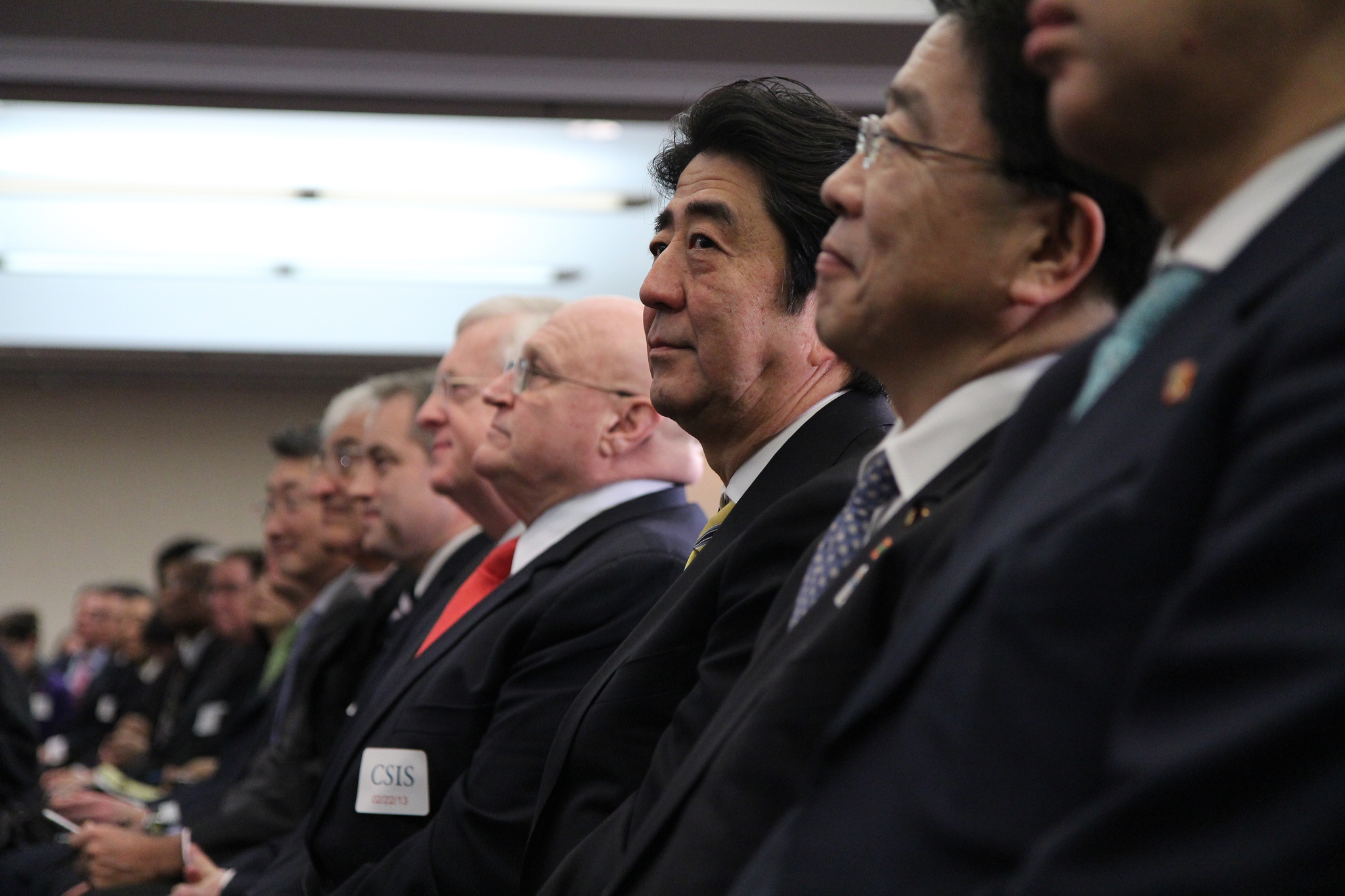
On September 3rd Japanese Prime Minister Shinzo Abe reshuffled his cabinet, a common political action in Japan, often used as a way of maintaining support. The new cabinet included five women, which was widely considered a nod to female voters and a move to make politics more inclusive in a country with very few women […]